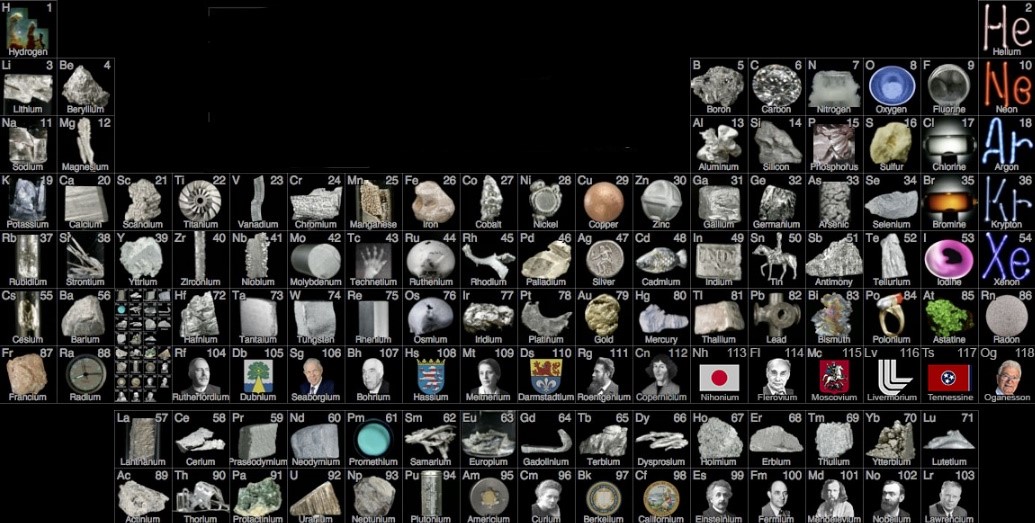
History of the Periodic Table - Periodic Table part 2

The periodic table is a fundamental piece of modern chemistry, yet it has gone through many revisions from the years when alchemy was turning into chemistry to today. In 1829, a german chemist by the name of Johann Wolfgang Döbereiner grouped the known elements into triads. One example of the Döbereiner triads is lithium, sodium and potassium. He grouped these elements by their similarities. 34 years later, in 1863, John Newlands, an english chemist, divided the 56 elements that were known at the time into 11 groups. In 1869, Dmitrii Ivanovich Mendeleev, a russian chemist, organized the elements by how many protons in an element's atom. Lothar Meyer, a german chemist, and John Alexander Reina Newlands, a english chemist, both started to independently organize elements by their amount of protons. Not only did Meldeleev beat them to it, but he also predicted the existence of new elements. Meldeleev left holes in his table for where he thought new elements would go, and predicted the ...